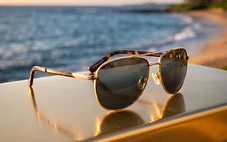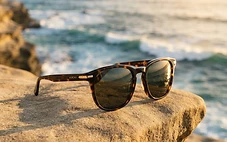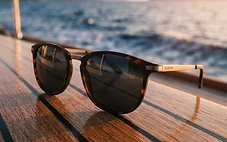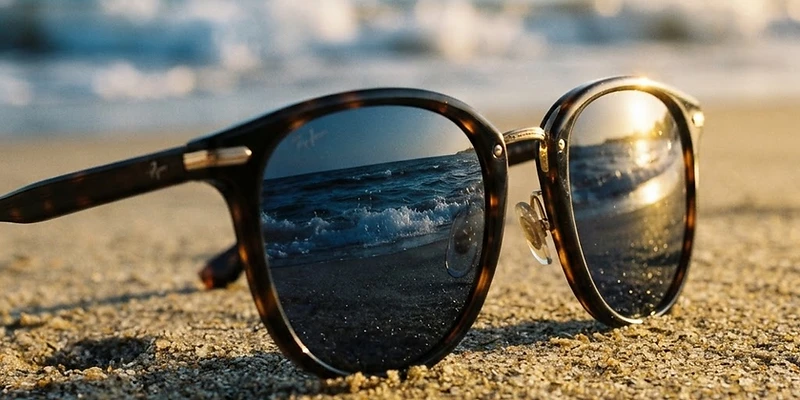
The Problem With Glare
When sunlight hits a flat surface — water, a road, a car hood — the light waves align horizontally. This concentrated horizontal light is what we experience as glare. It's blinding, fatiguing, and dangerous.
How Polarization Works
Polarized lenses contain a chemical film with molecules aligned in a single direction. Think of it as microscopic Venetian blinds: vertical openings let useful light through while blocking the horizontal glare waves. The result is a dramatically clearer, more comfortable view.
The Real-World Difference
- On the water: You can see through the surface to spot fish, rocks, and shallows.
- On the road: Wet pavement stops being a wall of white. Driving fatigue drops significantly.
- On the slopes: Snow glare, which can cause snow blindness, is eliminated.
Are There Downsides?
Polarized lenses can make it harder to read LCD screens (phones, ATMs, some dashboards). Pilots and heavy-equipment operators sometimes avoid them. For everyone else, the benefits far outweigh this minor trade-off.
The ANY-Glass Standard
Every pair we sell is polarized. We don't believe in charging extra for a feature that should be standard. Your eyes deserve real protection — at one fair price.